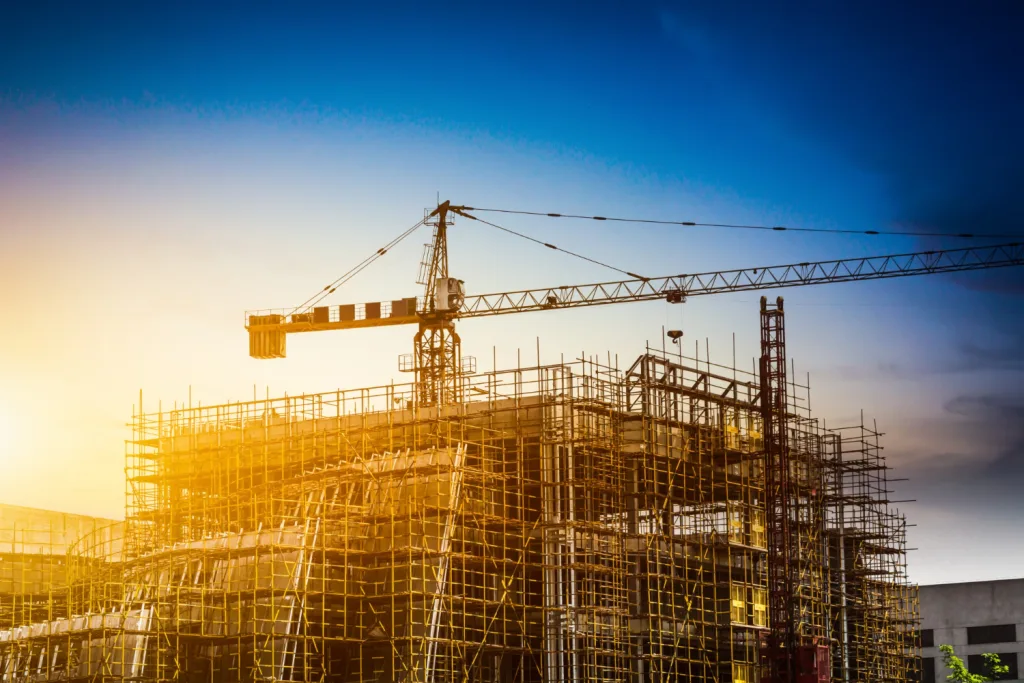
Construction of Private and Country Houses in St. Petersburg and the Leningrad Region
Building a private home in St. Petersburg or the Leningrad region requires local know‑how: climate stresses, soils, logistics and regional permitting all affect choices of foundation, envelope, materials and budgets. This guide summarizes what matters most when planning, designing and executing a house or country (dacha) project here.
1. Regional context: climate, landscape and logistics
— Cold, long winters with repeated freeze–thaw cycles, high humidity and frequent precipitation — demand excellent thermal performance and moisture control.
— Varied soils: clay, silt, sand, peat and local high groundwater levels are common. Some areas near lakes, rivers and lowlands require special foundations and drainage.
— Dense suburban development around St. Petersburg and vast rural zones in the Leningrad region — plot accessibility (roads, utilities) affects cost and schedule.
— Short construction season windows for exterior works may require winterized workflows and proper planning.
2. Site investigation: the first indispensable step
— Order a geotechnical survey (soil borings, groundwater level readings) before design. Soil type, bearing capacity and frost depth determine foundation type and cost.
— Check plot constraints: access, set‑backs, easements, flood zones, tree protection and microclimate (wind, shade).
— Assess proximity to mains (electricity, gas, sewer, water) and cost to connect — remote plots often inflate budgets.
3. Foundations and basements — adapt to local soils
— Common foundation solutions:
— Pile foundations (driven or bored) — best for peat, soft clays and high groundwater.
— Reinforced concrete strip or shallow foundations — feasible on compact soils above frost level.
— Insulated monolithic slab (raft) — reduces frost heave risk and can be effective where soils are moderate.
— Waterproofing and drainage are critical: external membrane, drainage pipes, sump pumps for basements.
— Provide frost protection (insulation around slab edges or increased depth) to avoid heave.
4. Building envelope: energy efficiency and moisture control
— Walls: popular options include timber frame with high insulation, log/timber houses, aerated concrete (AAC), and masonry (brick, block). Choose based on budget, thermal mass and finish preferences.
— Roof: well‑insulated, ventilated roofs with durable coverings (metal, tile) and snow/ice management systems.
— Windows and doors: triple‑ or high‑quality double‑glazed units with warm spacers and airtight installation are essential.
— Use wind‑tight, vapor‑open external systems: outer weather barrier + insulation + inner vapor control where needed to avoid condensation.
— Consider mechanical ventilation with heat recovery (MVHR/HRV) for airtight homes to maintain indoor air quality and save energy.
5. Materials and construction technologies — pros and cons
— Timber frame:
— Pros: fast, good insulation, cost‑efficient.
— Cons: requires careful airtightness and moisture protection.
— Log/crafted timber:
— Pros: aesthetic, good thermal inertia when thick.
— Cons: settlement, maintenance, joint detailing critical in local climate.
— AAC (gas blocks):
— Pros: good thermal performance, fire resistant.
— Cons: need reinforced cores for lintels, sensitive to moisture if not protected.
— Brick/masonry:
— Pros: durable, low maintenance.
— Cons: higher cost, thermal bridge risk unless insulated externally.
6. Utilities and onsite systems
— Heating: modern systems combine gas boilers, heat pumps (air-source or ground-source) or hybrid systems. Heat pumps are more efficient but require proper sizing and initial investment.
— Water and sewer: if mains are unavailable, plan reliable well or borehole water and engineered septic systems (biological treatment plants).
— Electricity: ensure transformer/line capacity for planned loads, especially for electric heating or EV charging.
— Smart home and energy monitoring improve comfort and operating costs.
7. Permits, standards and documentation
— Early engagement with local authorities and a qualified architect reduces permit delays. Prepare full design documentation and required surveys.
— Work with contractors familiar with regional norms and building standards to ensure compliance and smoother inspections.
— Keep written contracts, phased payment schedules tied to milestones, and clear warranties for structural and system works.
8. Budgeting and timelines — realistic expectations
— Timeline typical ranges:
— Design & permits: 2–6 months (depends on complexity and municipal processing).
— Foundation to shell: 3–9 months (season, soil difficulty).
— Full turnkey finish: 6–18 months overall for private homes — simple projects shorter, bespoke long‑lead ones longer.
— Cost factors: site preparation, foundation complexity, choice of envelope and finishes, access and utility connections.
— Contingency: plan for at least 10–20% contingency for unforeseen ground conditions, price changes or regulation-driven revisions.
9. Choosing a contractor and project team
— Look for local experience: portfolio of projects in St. Petersburg and the Leningrad region is a must.
— Check references, visit completed homes if possible, verify insurance and warranties.
— Prefer fixed‑price contracts with clearly defined scope for main works; use unit prices for potential extras.
— Consider hiring an independent project manager or construction consultant to monitor quality and timelines.
10. Maintenance and long‑term care
— Regular roof, gutter and external facade checks prevent moisture damage in a wet climate.
— Monitor foundation drainage and sump systems — keep them clear and functional.
— Maintain ventilation systems, change filters and service heat pumps/boilers according to schedule.
Practical tips — local know‑how that pays off
— Prioritize drainage and waterproofing early — cheap fixes now can prevent expensive structural repairs later.
— Insulate and airtight the envelope even if budget is tight: energy savings and comfort are largest long‑term returns.
— Use local suppliers and contractors for faster logistics and better knowledge of typical soil and weather conditions.
— If building in a floodplain or near lakes, get additional hydrological checks and raise floor levels appropriately.
Conclusion
Construction in St. Petersburg and the Leningrad region demands decisions tuned to cold, wet climate and varied soils. Start with a geotechnical survey and an experienced local team, invest in a robust, well‑insulated envelope and proper drainage, and plan realistic schedules and budgets. With careful preparation you can build a comfortable, durable private or country home that withstands the northern climate and fits your lifestyle.
If you’d like, I can outline a sample timeline and budget range for a specific plot or propose a checklist for interviewing local contractors.