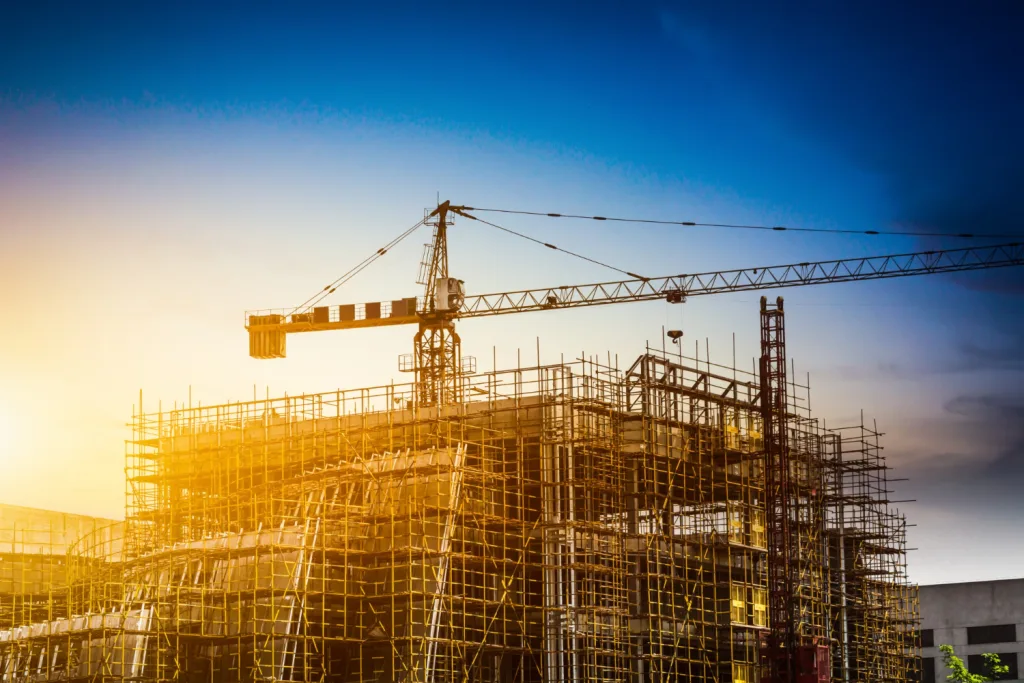
Construction of Private and Country Houses in St. Petersburg and the Leningrad Region
Building a private or country house in St. Petersburg and the Leningrad Region comes with unique opportunities and challenges. From coastal humidity and peat soils to cold winters and strict local regulations, successful projects require careful planning, competent contractors, and materials chosen for the local climate.
Why build here
— Attractive natural surroundings, proximity to the city and transport links.
— Variety of plots: coastal, forest, and agricultural landscapes.
— Growing demand for modern energy-efficient private homes and weekend country houses.
Key regional factors to consider
— *Climate*: long cold winters, frequent freeze-thaw cycles, high humidity and precipitation.
— *Soils*: clay, loam, and peat are common; high groundwater in some areas.
— *Access*: distance from urban utilities (gas, sewer, water) varies widely across the region.
— *Regulations*: projects must comply with federal and regional construction standards and local planning rules.
Foundation and site works
— Conduct a professional geotechnical survey before choosing a foundation type.
— Typical foundations:
— Pile (screw or driven) — common on peat and soft soils; reduces settling risk.
— Strip with reinforced concrete — suitable on stable soils with properly managed water.
— Monolithic slab — good for frost protection and even load distribution.
— Important: plan drainage and groundwater control (perimeter drains, swales, pump systems) to protect foundations and basements.
Structural systems and walls
— Popular wall systems:
— Aerated concrete (gasobeton) — good thermal properties, economical.
— Brick — durable and fire-resistant, often used for facades.
— Timber and glued laminated timber — fast construction, natural aesthetics; requires high-quality moisture protection and insulation.
— SIP panels and frame systems — speed of assembly and good insulation; attention required to vapor barriers and airtightness.
— Insulation must be chosen for long-term performance in cold, humid conditions (external insulation with proper vapor-permeable membrane is common).
Roofs, drainage and façades
— Steeply pitched roofs with durable coverings (metal tile, standing seam, high-quality ceramic or composite) handle snow and water runoff well.
— Ensure snow guards, reinforced eaves, and correct roof insulation to avoid ice dams.
— Façade solutions should resist moisture and biological growth — ventilated facades, treated timber, and quality masonry finishes are recommended.
— Design robust rainwater disposal: gutters, downpipes, and surface drainage to protect the building envelope.
Utilities and energy systems
— Heating options:
— Natural gas boilers (where pipeline available) — cost-effective and common.
— Electric boilers, heat pumps, pellet/solid-fuel boilers — alternatives for remote sites.
— Hybrid systems combine gas/electric/renewables for efficiency.
— Water supply: municipal connection, borehole wells, or transported water — choose based on quality and reliability.
— Sewage: connect to central sewer where possible; otherwise plan septic systems sized to standards and soil permeability.
— Consider energy efficiency: high-quality insulation, modern windows, balanced ventilation with heat recovery (MVHR) to reduce heating costs.
Permits, project documentation and standards
— Commission a full project (architectural, structural, engineering) and check compliance with national and regional building rules.
— Coordinate with local authorities for permits or notifications — requirements vary by municipality and by house type.
— Get cadastral documentation, land-use approvals, and utility connection agreements early to avoid delays.
— Keep a construction diary and collect certificates, material passports, and test reports for final acceptance.
Choosing a contractor and contract tips
— Prefer contractors with local experience and verifiable references in the St. Petersburg/Leningrad area.
— Ask for:
— Detailed estimate with clear scope, materials, and unit prices.
— Fixed-price or phased contracts with milestone payments.
— Warranty terms for work and materials.
— Timeline and penalties for delays.
— Insist on written change orders for any scope changes and a clear final acceptance procedure.
Budgeting and timeline
— Budget varies by house type, materials, plot accessibility, and finishing level.
— Plan for contingencies (typically 10–20%) to cover unexpected ground conditions or regulatory costs.
— Typical timeline:
— Design and permits: 2–6 months (can be longer with complex approvals).
— Construction shell: 3–9 months depending on system and season.
— Finishing and utilities: 1–6 months.
— Winter construction is possible but may increase costs and require specialized methods.
Practical checklist before starting
— Conduct a geotechnical survey.
— Prepare full architectural and engineering project.
— Confirm utility availability and connection costs.
— Obtain required local permits and cadastral documents.
— Select experienced contractor and sign a detailed contract.
— Plan for temporary access, storage, and site drainage.
— Consider long-term maintenance and warranty coverage.
FAQs
— How to choose between brick, timber, and frame houses?
— Choose based on budget, aesthetic preference, speed of construction, and long-term maintenance. For humid, cold conditions, prioritize moisture management and insulation quality.
— Is building in winter realistic?
— Yes, with proper planning and materials, but expect higher costs and slower progress for some operations.
— When to install ventilation and heat recovery?
— Plan ventilation during the design phase; installing MVHR during construction is far easier and more effective than retrofitting.
Conclusion
Building a private or country house in St. Petersburg and the Leningrad Region can deliver exceptional comfort and connection to nature — provided you respect local climate, soil conditions, and regulatory requirements. Start with a thorough site survey, choose materials and systems suited to cold and humid conditions, and work with local professionals who know the region. With careful planning, you’ll create a durable, energy-efficient home that performs well for decades.
If you’d like, I can provide:
— a sample project checklist tailored to a specific plot,
— a list of questions to vet local contractors, or
— an outline of a typical project timeline for your chosen construction system. Which would you prefer?